Emotional Judgement - Invisible Intensity That’s Wonderful to Remove…
One of the earliest and most transformative shifts I support clients with is…

…teaching their brain to no longer attach self‑critical thoughts to their emotional experience.
Until we develop skills that allow us to intervene with the way our brain is automatically producing emotions, we all experience the same unsettling, disempowering pattern:
You can logically think one way:
“I shouldn’t feel like this,”
“I should be stronger.”
“I should think more positively.”
“I shouldn’t feel this anxious.”
…but then your emotional reality feels completely disconnected from this logic.
I remember finding this frustrating, overwhelming and disempowering for years.
The reason we can find it easy to critcise ourselves emotionally is because:
The overwhelming majority of the emotions you experience are produced by your brain’s subconscious processing.
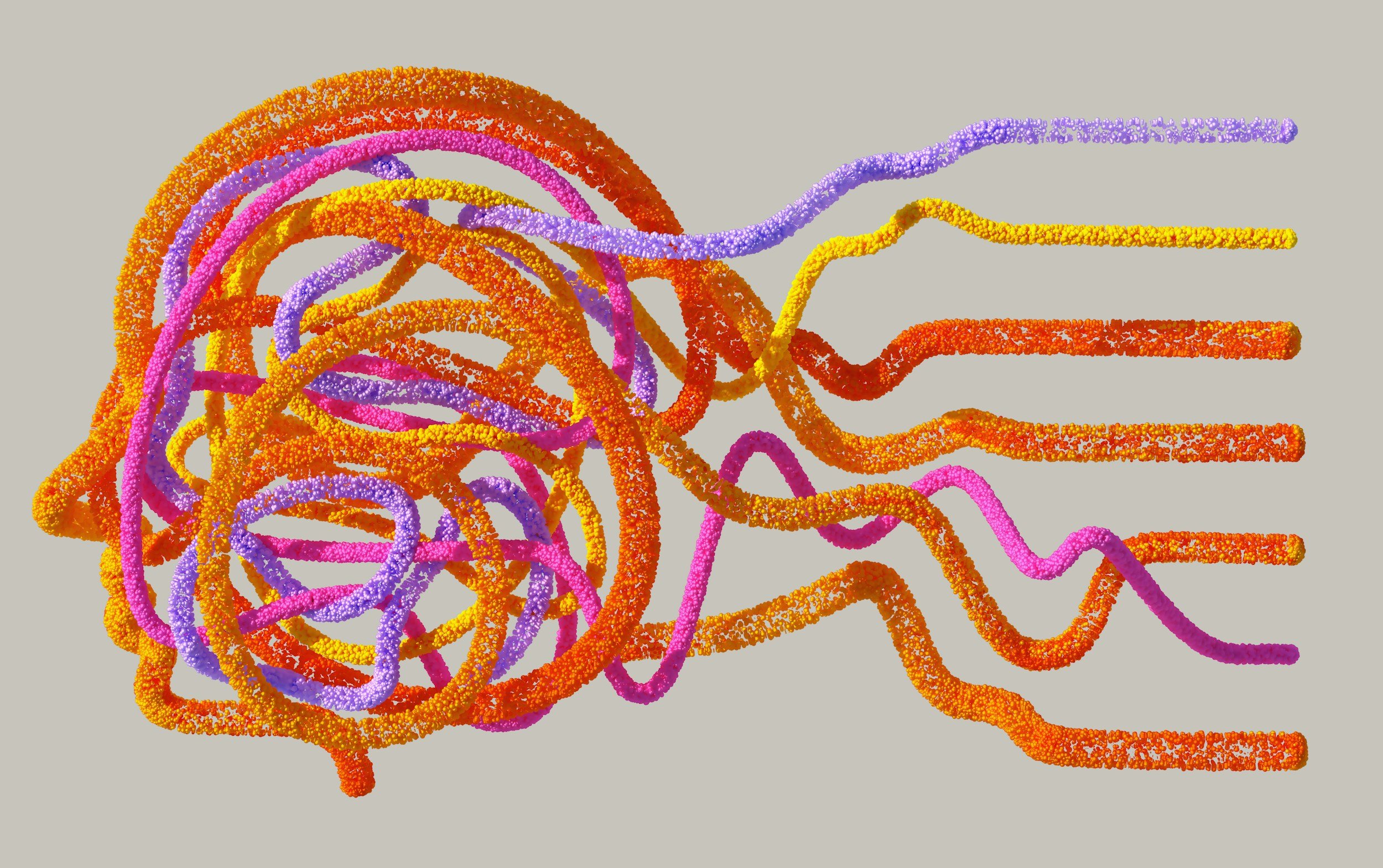
You don’t hear it.
You don’t yet have the skills to engage with it.
So your feelings, decisions, behaviours and thoughts can feel like they’re happening to you. Quite intimidating at times!
The wonderful news, is that this tendency towards judgement is only your reality before you engage with your brain directly.
Why emotional judgement feels so intense
When you add judgement on top of how you’re already feeling…
“I shouldn’t feel this,”
“I’m being stupid,”
“Other people cope better than me,”
…your brain now has two emotional loads to process: the original emotion and the judgement about it.

No wonder it feels intense!
Initial Reassurance
Think of your emotional sensations the same way you think of other physical sensations…like a headache.
Your brain probably doesn’t got to self-criticism over a headache. You simply support yourself until the sensation passes.
So when your brain creates a challenging emotion, let’s say inferiority, instead of reinforcing the judgement:
“I should be more confident…”
Try recognising the emotion as physical sensations:
“I’m feeling inferior. My stomach feels tight. My body feels tired.”

Then add a dose of gentle compassion:
“Everyone feels difficult emotions sometimes. They don’t mean I’m ‘less than’.”
This is a great first step that supports your brain to change to delivering emotional reassurance rather than judgement.
Once this is embedded, the emotional relief you get to enjoy as a result is fantastic!
This week’s self‑support step
Practise noticing when your emotional reality doesn’t match how you think you “should” feel.

Pause gently and consider the sensations without judgement.
This isn’t about forcing yourself to feel differently.
It’s about accepting your sensations with detachment and compassion, giving your brain a new, less critical way to respond.
With repetition, your brain learns.
Thanks to neuroplasticity, it can absolutely learn to support you in wonderfully empowering ways.
Why this matters

Your brain is waiting to emotionally perform for you in extraordinary ways!
You simply need to build a relationship with your brain that gives it this opportunity.
That’s why I created the Emotional Rebuild Framework™, a short series of online coaching sessions that enable you to build an empowering relationship with your own brain. For good.
A relationship that gives you full emotional opportunity. It’s incredible where this can take you.
You’re welcome to see a visual overview of my framework on my 1:1 Coaching page below: